

Surprise! Western Cuisine Also Has Six Major Culinary Traditions?
You’ve probably noticed that many Western dishes carry national labels—like French foie gras, Italian pasta, or German sausages. That’s because “Western cuisine” isn’t a monolith; it’s actually composed of six distinct culinary traditions, each with its own philosophy, techniques, and flavors. Do you know what they are?
1. French Cuisine – The Crown Jewel of Western Cooking
Often hailed as the pinnacle of Western gastronomy, French cuisine emphasizes ultra-fresh, high-quality ingredients—from escargots (snails) and woodcock to edible flowers like lilies. It’s renowned for its sophisticated use of wine-based sauces, where each dish is paired with a specific wine for deglazing or braising. A defining trait? “Semi-doneness”: beef and lamb are typically served rare to medium-rare (50–70% cooked), and even roast duck may be enjoyed nearly rare to preserve tenderness and juiciness.

2. British Cuisine – Homestyle Comfort with Refined Etiquette
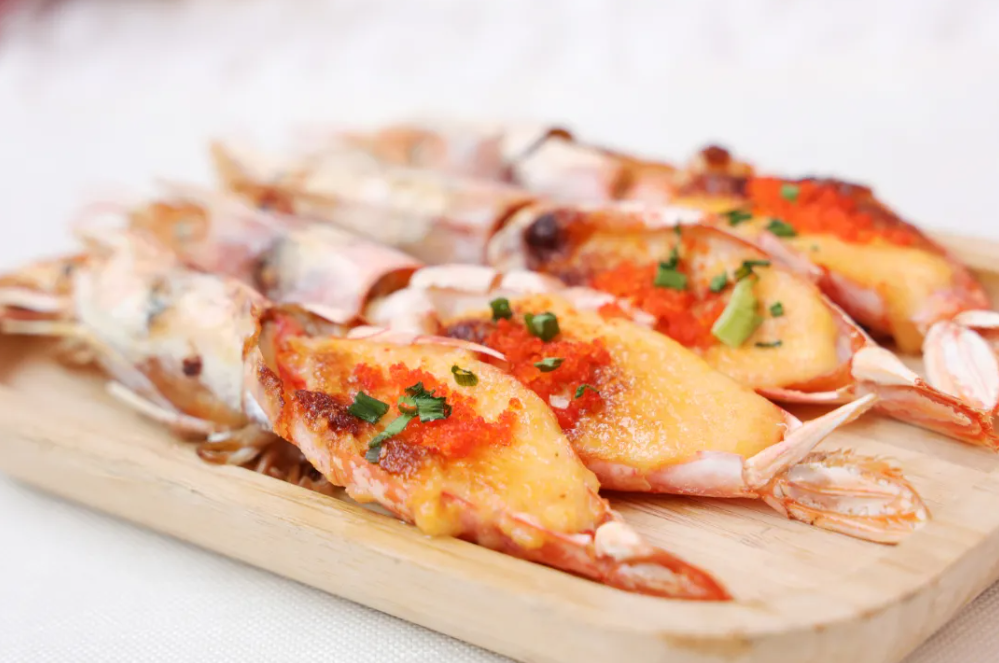
British cooking values simplicity, freshness, and table manners. Dishes are lightly seasoned to highlight natural flavors, using minimal oil and spices. Common techniques include boiling, steaming, roasting, smoking, and frying. While the kitchen keeps seasoning restrained, the dining table is set with an array of condiments—salt, pepper, soy sauce, vinegar, mustard, and tomato ketchup—allowing guests to personalize their plates.
3. Italian Cuisine – The Ancestor of Western Gastronomy
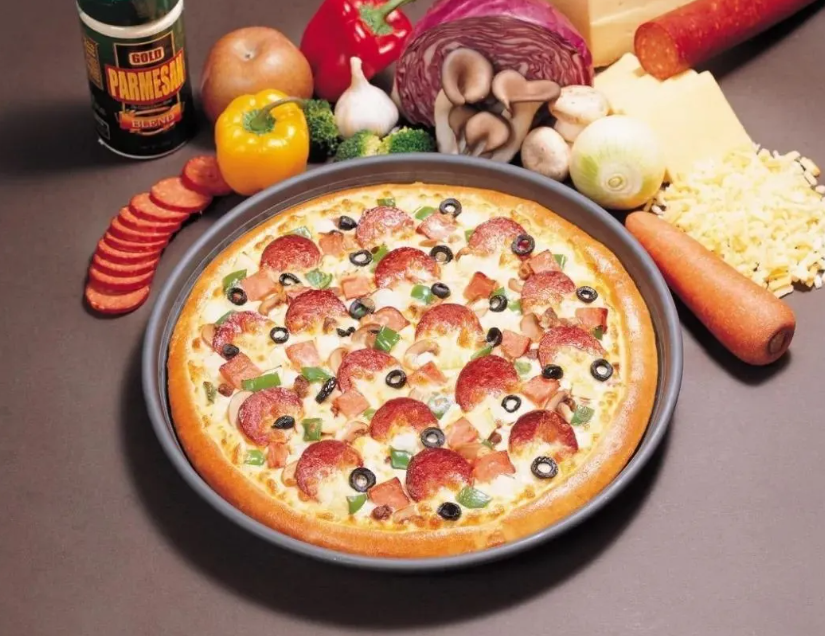
Considered the birthplace of modern Western cooking, Italian cuisine celebrates bold, robust flavors and intense, unadulterated tastes. Olive oil and tomato sauce form its backbone, and wine plays a major role in both cooking and pairing. Italy is world-famous for its pasta and pizza, from spaghetti and penne to Neapolitan-style pies—showcasing mastery over wheat-based creations.
4. German Cuisine – Hearty, Honest, and Beer-Loving
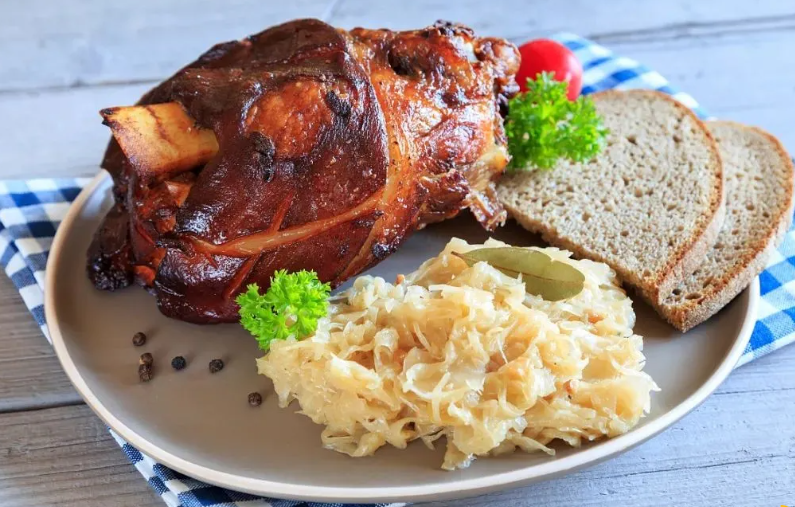
German food prioritizes nutritious, satisfying meals over fancy presentation—in fact, Germany pioneered the concept of the modern buffet and fast casual dining. Staples include sausages, cured meats, and smoked products, with flavors leaning toward salty-sour profiles that are rich but never greasy. Beer isn’t just a drink—it’s a key cooking ingredient. Preparation methods are straightforward, and certain dishes (like Mett, raw minced beef) are even enjoyed raw.
5. American Cuisine – Fast, Nutritious, and Fruit-Forward
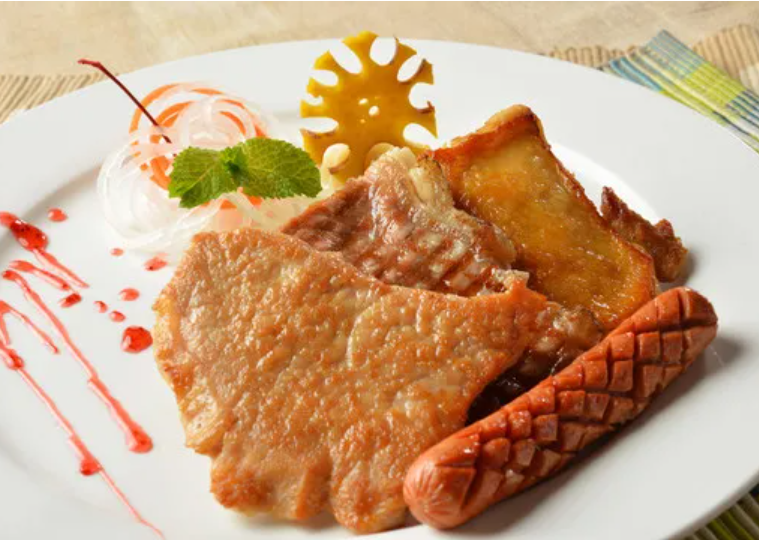
Evolving from British roots, American cuisine embraces convenience and nutrition. It tends to be mildly flavored, often blending sweet and savory notes. Fresh fruits and vegetables—such as apples, pears, pineapple, celery, and lettuce—are frequently incorporated into main dishes, salads, and even meat preparations, reflecting a health-conscious, farm-to-table ethos.
6. Russian Cuisine – Robust, Rustic, and Fully Cooked
Russian food stands out in the Western world for its richness, heavy use of oil and dairy, and preference for fully cooked dishes—it’s the only major Western tradition where undercooked meat is generally avoided. Featuring abundant use of fish, meat, and root vegetables, Russian flavors lean into sour, sweet, salty, and spicy profiles. Sour cream (smetana) is a signature finishing touch, and cooking methods favor roasting, smoking, and pickling. Think borscht, pelmeni, and hearty stews that warm the soul through long winters.

Together, these six culinary traditions form the rich, diverse tapestry of Western cuisine—each telling a story of geography, history, and cultural identity through flavor.