

In our fast-paced urban lives, we often overlook subtle signals from our bodies—until health issues become undeniable. Only then do we realize that seemingly minor daily habits may have quietly paved the way for disease. Blood sugar, an unassuming yet critical health marker, is one such silent sentinel. When it becomes imbalanced, it can trigger a cascade of health problems—most notably, impaired glucose metabolism and, ultimately, diabetes.
So, what blood sugar levels are considered normal? And at what point should we start worrying about the risk of developing diabetes?
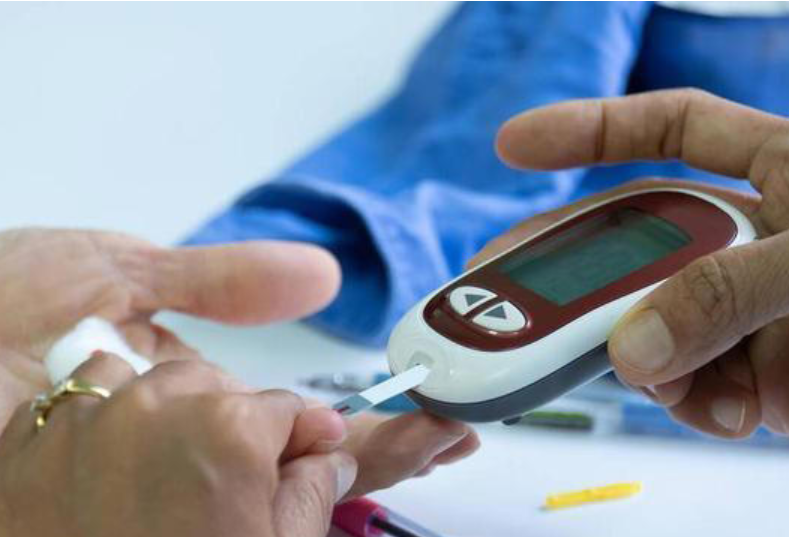
Understanding Normal Blood Sugar Ranges
For most healthy adults, normal blood glucose levels fall within these ranges:
- Fasting blood sugar (after at least 8 hours without food):
3.9–6.1 mmol/L (70–110 mg/dL) - 2 hours after a meal (postprandial):
Below 7.8 mmol/L (140 mg/dL)
However, it’s important to note that even if your readings fall within these “normal” limits, consistently hovering near the upper end—or experiencing large fluctuations—can be an early warning sign. Your body may be urging you to reassess your lifestyle before full-blown metabolic dysfunction sets in.
The Warning Signs: When Blood Sugar Crosses the Line
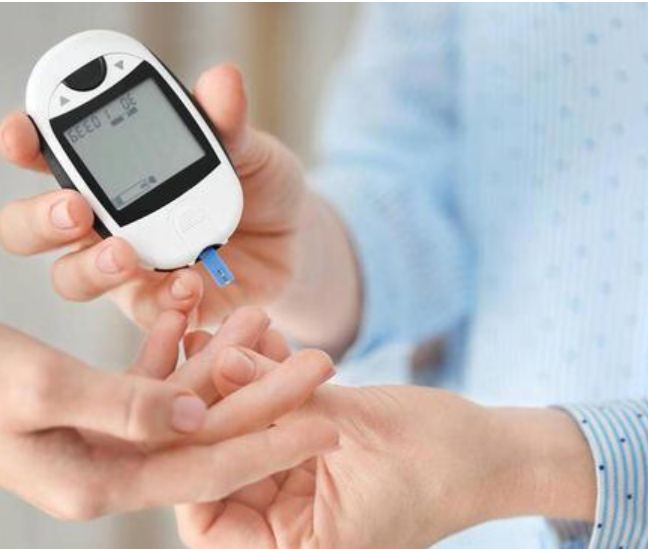
When fasting blood sugar exceeds 6.1 mmol/L or post-meal (2-hour) levels surpass 7.8 mmol/L, you’ve entered a pre-diabetic state known as impaired glucose tolerance or impaired fasting glucose.
Specifically:
- Fasting glucose between 6.1–7.0 mmol/L, or
- 2-hour post-meal glucose between 7.8–11.1 mmol/L
…indicates prediabetes. While not yet classified as diabetes, this stage significantly raises your risk of progressing to type 2 diabetes if no action is taken.
If fasting blood sugar reaches or exceeds 7.0 mmol/L, or post-meal levels hit 11.1 mmol/L or higher—especially when accompanied by classic symptoms like excessive thirst, frequent urination, unexplained weight loss, or fatigue—a diagnosis of diabetes is likely. At this point, the body’s ability to regulate blood sugar is clearly compromised, requiring both medical treatment and comprehensive lifestyle changes to manage the condition effectively.
Mastering Blood Sugar Control: Prevention & Management Strategies
Prevention is always better than cure. Here’s how to keep your blood sugar in check:
1. Prioritize Balanced Nutrition
Reduce intake of refined sugars and saturated fats. Instead, focus on high-fiber foods, whole grains, legumes, vegetables, and low-glycemic-index (low-GI) carbohydrates. These choices help slow glucose absorption and prevent spikes. Also, eat meals at regular intervals—skipping meals or binge eating can destabilize blood sugar.
2. Stay Physically Active
Exercise enhances insulin sensitivity, helping your cells use glucose more efficiently. Aim for at least 150 minutes per week of moderate-intensity activity—such as brisk walking, swimming, or cycling. Even daily movement like taking the stairs or walking after meals makes a difference.
3. Maintain Healthy Sleep and Stress Habits
Chronic sleep deprivation, overwork, and prolonged stress disrupt hormonal balance—elevating cortisol, which in turn raises blood sugar. Prioritize 7–8 hours of quality sleep nightly and practice stress-reduction techniques like mindfulness, deep breathing, or yoga.
Blood Sugar Balance: The Foundation of Long-Term Health
Maintaining stable blood sugar isn’t just about avoiding diabetes—it’s about preserving daily energy, mental clarity, and long-term vitality. By understanding healthy ranges, recognizing early warning signs, and adopting proactive lifestyle habits, you can take control of your metabolic health.
Remember: good health isn’t accidental. It’s built through consistent, mindful choices—starting today. Take charge of your blood sugar, and you’ll be investing in a healthier, more vibrant future.